
Reviewed by Paul R., CEO & Installer
Before you call
Why homeowners schedule heating tune-up
Maintenance is most valuable before peak demand, when small wear items can still be caught cheaply and early.
- You want to reduce the chance of a surprise mid-season breakdown.
- The system still runs, but efficiency, airflow, or comfort has slipped.
- You want a professional read on system condition before spending on repairs or upgrades.
Service details
The overview below explains how this service works, common problems we see, and what Sacramento homeowners should expect before scheduling.
A tune-up in September can prevent an emergency repair in January. Annual heating maintenance is the single best thing you can do to extend your system's life and avoid a mid-winter breakdown.
What's Included in a PULSE Heating Tune-Up
For gas furnaces:
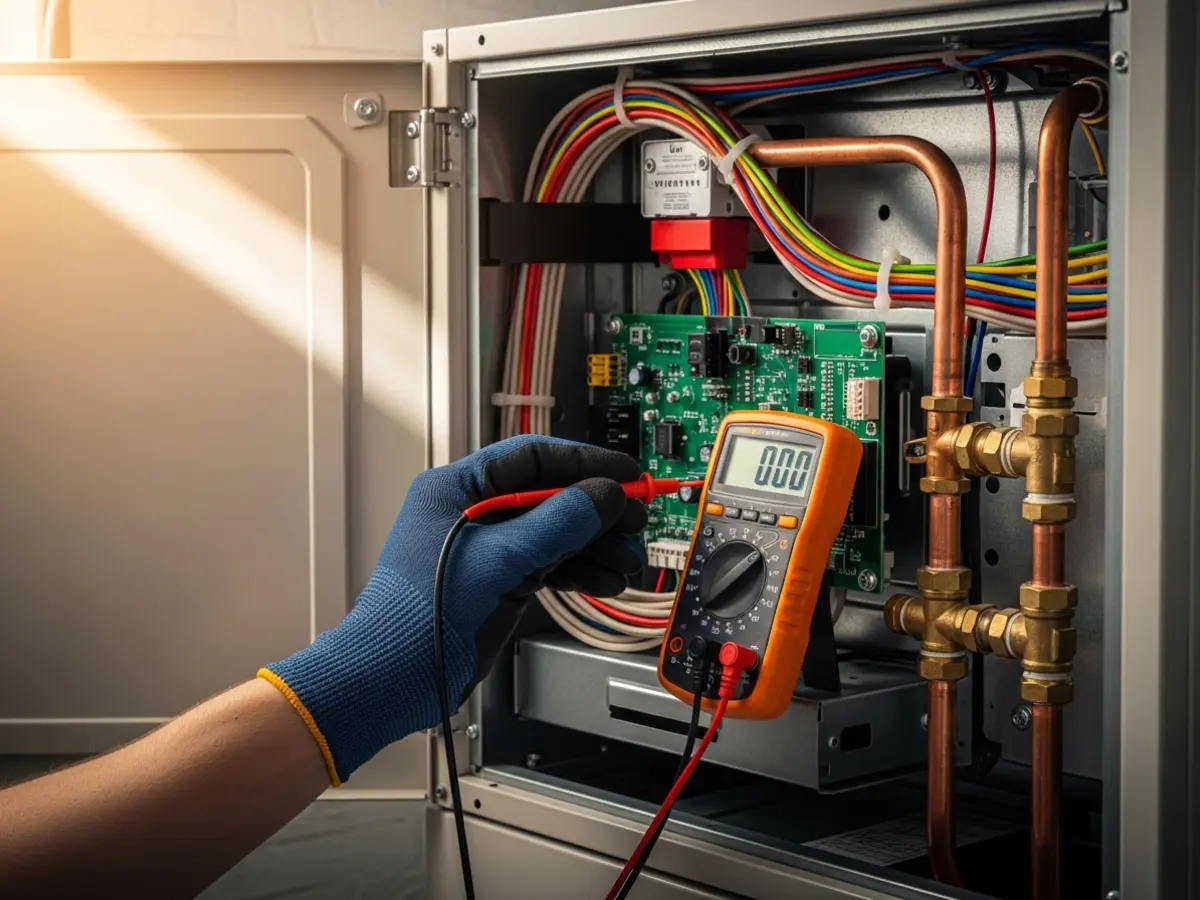
- Inspect heat exchanger for cracks or corrosion
- Clean flame sensor and burners
- Test hot surface ignitor and flame sensor operation
- Check gas pressure and burner combustion
- Inspect flue venting for blockages
- Test all safety controls (limit switch, pressure switches, roll-out switch)
- Lubricate blower motor bearings
- Check blower capacitor and electrical connections
- Replace standard air filter (included)
- Run system through heating cycle, verify temperature rise
For heat pumps:
- Check refrigerant pressure and temperature (heating mode)
- Test reversing valve operation
- Test defrost board and simulate defrost cycle
- Inspect outdoor coil and clean if needed
- Check capacitors and contactors
- Test auxiliary heat operation
- Verify thermostat staging operation
The Sacramento Heating Season
Temperatures in Sacramento typically drop into heating territory from November through March — mild by national standards, but cold enough that a furnace failure is genuinely uncomfortable. With the valley's occasional cold snaps that push into the low 30s, having a tuned, reliable heating system matters.
Schedule your heating tune-up in fall, pair it with a spring AC tune-up, and enjoy worry-free comfort all year.
Warning Signs That Need More Than a Tune-Up
During the tune-up, our technician may identify issues that require a repair quote. Common findings include:
- Cracked heat exchanger — A safety issue requiring prompt replacement. Carbon monoxide can enter living space through cracks.
- Failing capacitor or inducer motor — Common on systems over 10 years old; often replaced at the same visit
- Gas pressure out of spec — Indicates a gas valve or regulator issue
- Igniter showing resistance drift — A predictive indicator; replacing it proactively prevents a no-heat call
If we find something, we explain it clearly and give you the choice. No pressure.
Annual Maintenance Plan
If you want to set-it-and-forget-it, ask about our annual maintenance plan. One low annual fee covers:
- Fall heating tune-up
- Spring AC or heat pump tune-up
- Priority scheduling for service calls
- 10% discount on any repairs performed
Most homeowners recover the cost of the plan in a single repair they avoid.