Before you call
Tell us what you are seeing — we work out which part failed
You do not need to know whether the fault is in the furnace, the air conditioner, the ductwork, or the thermostat. Describe the symptom and we diagnose the whole system on one visit, in any season.
No cooling, or air that never gets cold
Could be refrigerant, a failed capacitor, a frozen coil, or return ducts pulling 130°F attic air into the supply. We measure before quoting.
No heat, weak heat, or a system that will not stay lit
Igniter, flame sensor, gas valve, or a high-limit trip caused by restricted airflow. Gas smell or a CO alarm is a 9-1-1 call first.
Water, ice, or a breaker that keeps tripping
Condensate overflow switches and repeated breaker trips lock a system out by design. Resetting a breaker that keeps tripping is a fire risk.
Nothing happens at all — no fan, no ignition, no click
More often a thermostat, transformer, or safety-switch fault than an equipment failure. Cheapest possible outcome, and easy to misdiagnose.
Heads up: A gas smell or a sounding carbon-monoxide alarm is a safety emergency — leave the home and call 9-1-1 first. We are the second call, never the first. (916) 850-2221
Service details
How this service works, the problems we see most, and what Sacramento homeowners should expect before scheduling.
When a home's comfort system stops working, most people do not know whether the fault sits in the furnace, the air conditioner, the ductwork, or the thermostat — and they should not have to. This page is the starting point for any heating or cooling failure in the Sacramento area. We diagnose the whole system, tell you what actually broke, and quote the repair before touching it.
Start Here, Then Go Deeper
If you already know which side of the system failed, these pages go into more detail:
- AC repair — the system runs but will not cool, short-cycles, or leaks water
- Heater repair — no heat, weak heat, or a furnace that will not stay lit
- Heat pump repair — one unit that does both heating and cooling
- Emergency HVAC repair — the system is down right now during a heat event, or someone in the household is heat-vulnerable
- Commercial HVAC repair — rooftop units and light commercial equipment
What We Diagnose on a Single Visit
A proper diagnosis checks the whole air path, not just the component you suspect:
- Refrigerant circuit — charge level, leaks, suction and head pressure
- Electrical — capacitors, contactors, relays, control board, breakers, and wiring
- Airflow — filter restriction, blower speed and amp draw, coil cleanliness
- Ductwork — return leakage, supply static pressure, disconnected runs in the attic
- Controls — thermostat mode, calibration, staging, and low-voltage continuity
- Combustion (heating side) — igniter, flame sensor, gas pressure, heat exchanger condition
- Condensate — clogged drains and overflow switches that lock a system out
Why the Symptom Is Often Not the Fault
The most common service call in Sacramento is "my AC stopped cooling." In a meaningful share of those calls the air conditioner is fine. Something else in the system is the actual cause:
Return-duct leakage. Sacramento attics reach 130°F or more in July. A return duct with a failed seam pulls that air into the system, so the equipment cools normally but the air arriving at the register is warm. Sealing the duct fixes it; replacing the AC would not have.
Airflow starvation. A filter left in past its interval, or a filter with a higher MERV rating than the blower was designed for, restricts airflow enough to freeze the evaporator coil. The frozen coil then blocks airflow completely. The symptom looks like a refrigerant problem and is not.
Control faults. A thermostat left on the wrong mode after a shoulder-season swing, a failed low-voltage transformer, or a condensate overflow switch that has tripped will all present as "the system does nothing" with no equipment fault at all.
Compressor lockout on high head pressure. A condenser coil packed with cottonwood or agricultural dust makes the compressor work against elevated pressure until a safety switch locks it out. Cleaning the coil restores it.
Diagnosing before quoting is the difference between a duct repair and an unnecessary system replacement.
Our Repair Process
- Whole-system diagnostic — we measure rather than guess, and we show you the readings
- Firm written quote — you approve the price before any work starts
- Repair — OEM-quality parts wherever they are available
- Verification — we run a full cycle and re-measure to confirm the fix held
- Explanation — what failed, why, and what prevents it next time
What It Costs
We publish Sacramento-specific price ranges rather than asking you to call for a number:
- AC repair cost in Sacramento
- HVAC replacement cost in Sacramento
- Furnace replacement cost in Sacramento
The on-site diagnostic fee is waived when you approve the repair, and we quote in writing before starting.
Why people call PULSE
“Alex was friendly and professional. He arrived on site just a few hours after I called Pulse, and had our repair issue diagnosed and fixed in less than an hour. He charged a fair price for his expertise and for the repair part that he had on-site in his van. I would certainly call Pulse again if we have HVAC issues in the future. Thanks Alex!”
Jeff F. · Yelp
“I'm so glad I was able to book a same day appointment. Alex was able to point out the problem with our AC and fixed it right away. He also went above and beyond and helped us with a few minor issues around our house! Would recommend this company”
Kelly B. · Yelp
AC Repair in Carmichael
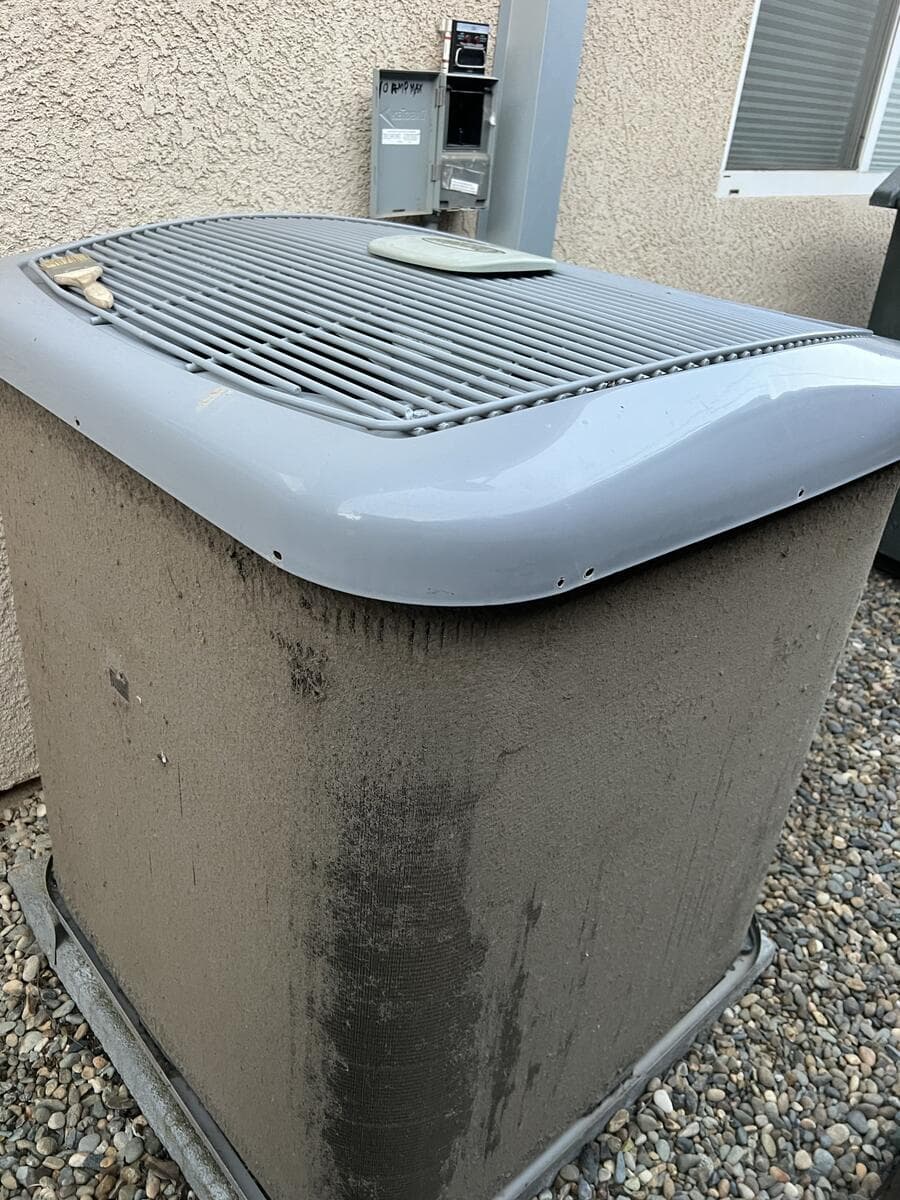
AC repair call in Carmichael, 95608, for a system that was not cooling. Our tech worked on the outdoor condenser unit. Phone (916) 850-2221.
AC Repair in Carmichael
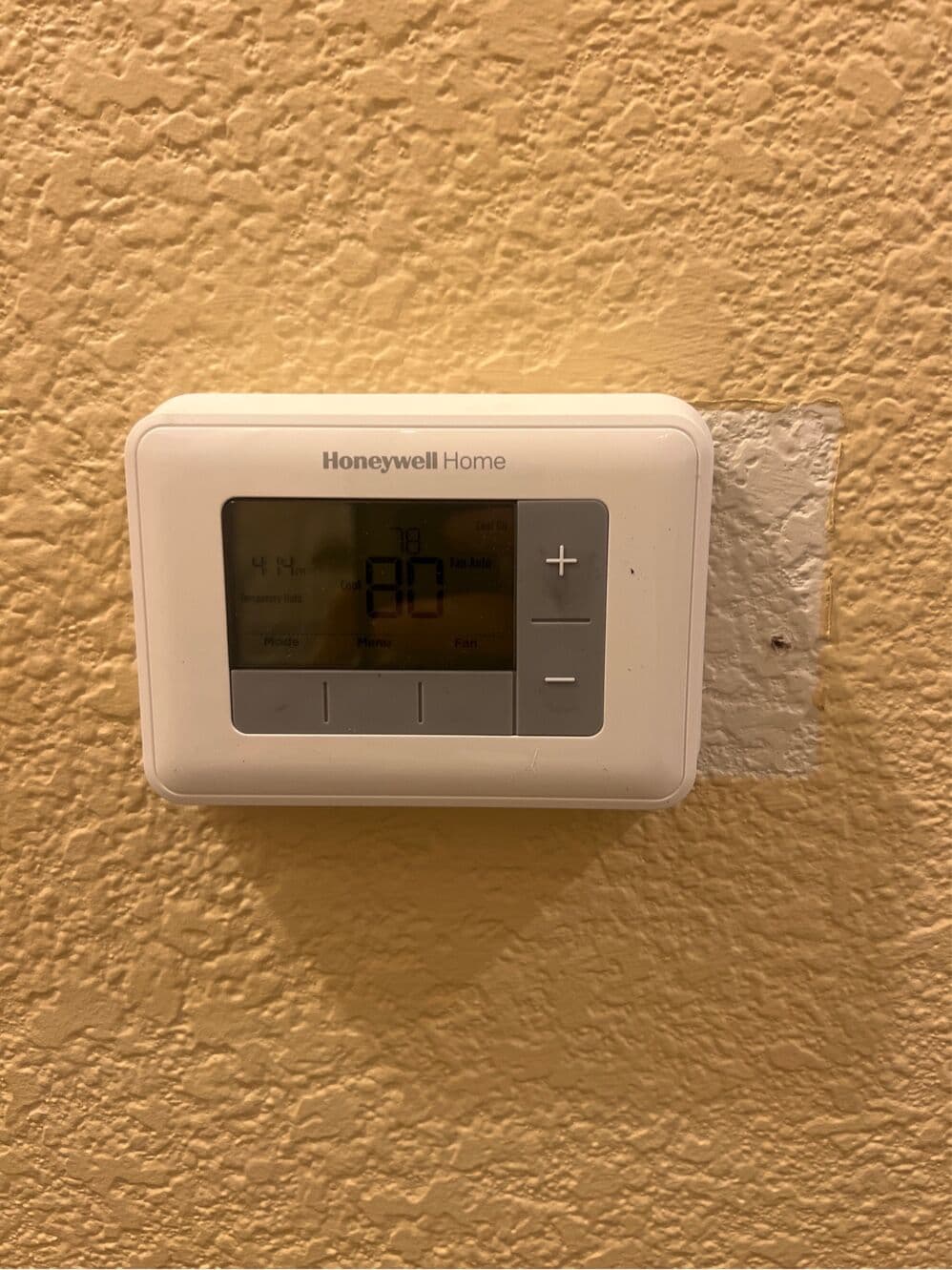
Honeywell Home thermostat in Carmichael. The air conditioner was not coming on. Indoor temperature 80, setpoint 78, Cool On, fan auto, temporary hold.
System down? Calling is the fastest way to get a technician on the way.