Reviewed by Paul R., CEO & Installer
Why Your Furnace Smells Like Burning When You Turn It On
Why does my furnace smell like burning when I turn it on? For most Sacramento-area homeowners, the answer is simple and harmless: dust. After months of sitting idle through our long, hot summers, your furnace collects a fine layer of dust on the heat exchanger, burners, and inside the ductwork. The first time you fire it up in fall, that dust heats up and burns off, releasing a mild, slightly smoky odor that usually fades within 20 to 30 minutes.
But not every burning smell is innocent. A sharp, chemical, or metallic odor — especially one that lingers past the first cycle — can point to a real problem. Knowing the difference protects your home and your family, so let's walk through what's normal, what isn't, and what to do about it.
The Normal Smell: Dust Burning Off
It's June 2026 right now, and your furnace has probably been dormant since late winter. During those idle months, dust settles on every interior surface — the heat exchanger especially, since it gets the hottest. When the burners ignite for the first time in fall and warm air starts moving, that dust scorches and produces a brief, dusty smell.
Here's a quick refresher on how furnaces work: the burners ignite, heat passes through a metal heat exchanger, and the blower pushes warm air across that exchanger and out through your ducts. Any dust on those surfaces gets cooked off on the first few runs. This is completely expected and not a cause for alarm. Open a window or two, let the system cycle, and the odor should clear on its own within half an hour.
If the smell hasn't faded after the first couple of cycles — or if it never smelled like dust to begin with — that's your cue to pay closer attention.
The Smells That Mean Trouble
Some burning odors signal something more serious. Here's how to read them:
Burning plastic or rubber. This often means an overheating blower motor or a failing capacitor. The motor may be straining against restricted airflow, or an electrical component may be breaking down. Either way, the system needs a professional look.
Sharp, electrical, or "hot wiring" smell. Electrical odors can indicate frayed wiring or a component arcing inside the cabinet. Shut the system off.
Metallic or "overheated metal" smell. This is the one to take most seriously. It can point to a cracked heat exchanger — a failure that allows combustion gases, including carbon monoxide, to mix with the air you breathe. Carbon monoxide is colorless and odorless, which is exactly why the EPA stresses prevention and detection through working CO alarms. If you suspect a cracked heat exchanger, turn off the furnace and call a technician right away.
A short-lived dusty smell on the first run is not dangerous. A persistent burning plastic or metallic odor is. When in doubt, err on the side of shutting it down.
How to Clear a Harmless Burning Smell
If you're confident the odor is just first-run dust, a few simple steps help it pass faster and prevent it from coming back:
- Replace a clogged air filter first. A dirty filter restricts airflow and forces the heat exchanger to run hotter than it should — which both intensifies the burning smell and stresses the system. This is the single most effective fix.
- Vacuum your vents. Pull dust off the supply and return registers throughout your home so there's less to burn off.
- Let it cycle with ventilation. Crack a window and let the furnace run. The dusty odor should disappear within 20 to 30 minutes.
If the smell persists after those first few cycles, stop troubleshooting and schedule a professional inspection.
Why Filters Matter More Than You Think
A clogged filter is behind a surprising number of burning-smell complaints. When airflow is choked off, temperatures inside the furnace cabinet climb, and that extra heat can produce the very odor homeowners worry about. So knowing when to replace your furnace filter matters.
Replace your filter at the start of heating season, then check it monthly once the heat is running regularly. Most 1-inch filters need replacing every 1 to 3 months, depending on how many pets you have and how much dust your home collects. Homes in dustier parts of Folsom, Elk Grove, or Rancho Cordova — or households with shedding pets — often land at the shorter end of that range.
Why Summer Is the Smart Time to Prep
Here's the local advantage of reading this in June: you're well ahead of the fall rush. Summer is actually the ideal time to book a furnace tune-up in the Sacramento area. Technicians have more open availability, and you avoid the scramble that hits every HVAC company when the first cold snap arrives.
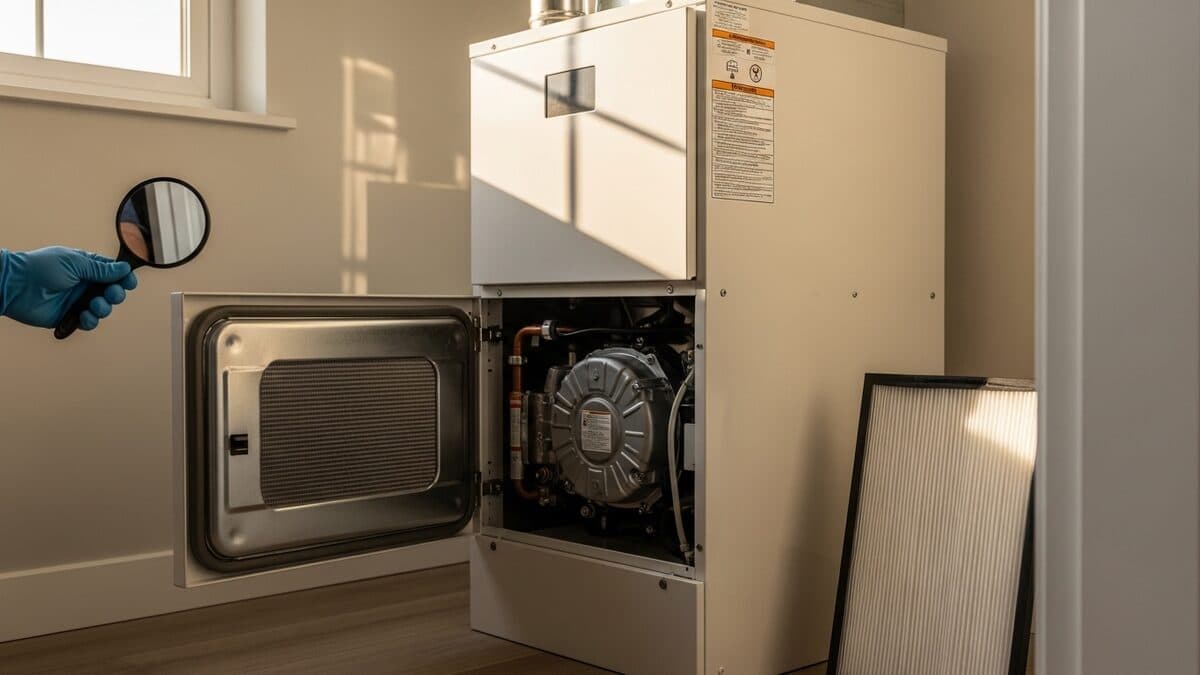
A proper furnace tune-up catches the problems that cause dangerous burning smells before they become mid-winter emergencies. During the visit, a technician inspects the heat exchanger for cracks, cleans the burners, checks the flue for debris or blockages, and confirms the blower is running properly. ENERGY STAR recommends annual furnace maintenance for safe, efficient operation, and its heating-system maintenance guidance makes the same case for keeping your system serviced.
As for cost to service a furnace: pricing varies with the scope of the visit and the condition of your equipment. For a clear quote on a tune-up or furnace repair in Sacramento, it's best to ask for current pricing when you book rather than rely on a ballpark.
When to Call PULSE HVAC
Trust your nose. A brief, dusty smell on the first run of the season is normal and clears on its own. But you should call a professional if:
- The burning smell is sharp, chemical, metallic, or smells like hot plastic
- The odor lingers well beyond the first 20 to 30 minutes or returns on every cycle
- You suspect a cracked heat exchanger, an overheating blower, or an electrical issue
- It's been over a year since your last tune-up
We serve homeowners across Sacramento, Carmichael, Roseville, Citrus Heights, Folsom, Elk Grove, Rancho Cordova, and Fair Oaks. Whether you need a summer tune-up before heating season or you're worried about a smell that won't quit, our technicians can inspect your system and tell you exactly what's going on.
Ready to get ahead of fall? Call PULSE HVAC at (916) 850-2221 or book online at /book.
Sources
Need HVAC help in Sacramento?
Same-day service · Free estimates · Licensed & insured