Reviewed by Paul R., CEO & Installer
Phantom Furnace Cycles in Sacramento Spring: Is Yours Normal or a Problem?
As Sacramento shakes off the last vestiges of winter chill, our spring mornings often greet us with a delightful mildness. One minute you might enjoy a comfortable cool breeze, and the next, you might notice something peculiar: your furnace briefly kicking on, even though it doesn't seem cold enough for heat. This phenomenon, which we at PULSE HVAC affectionately call "phantom cycling," can be a source of confusion for homeowners across Sacramento, Roseville, Folsom, and Elk Grove. Is your furnace developing a mind of its own, or is this simply part of its normal operation? Understanding the difference is key to maintaining a comfortable home and preventing potential issues.
What is "Phantom Cycling"?
"Phantom cycling" describes those moments when your furnace runs for a very short duration – perhaps just a few minutes – seemingly out of sync with the ambient temperature. You might be enjoying a pleasant 65°F morning inside your Fair Oaks home, yet your furnace briefly fires up and then quickly shuts down. It's not a full heating cycle, but enough to make you wonder what's going on. While it might feel like a ghost in your system, this brief activation often has perfectly rational explanations, especially during the transitional Sacramento spring.
Why Your Furnace Might "Phantom Cycle" Normally in Sacramento Spring
Many factors can contribute to these brief, unexpected furnace activations without indicating a problem. Here are some common, normal reasons:
Thermostat Temperature Differential
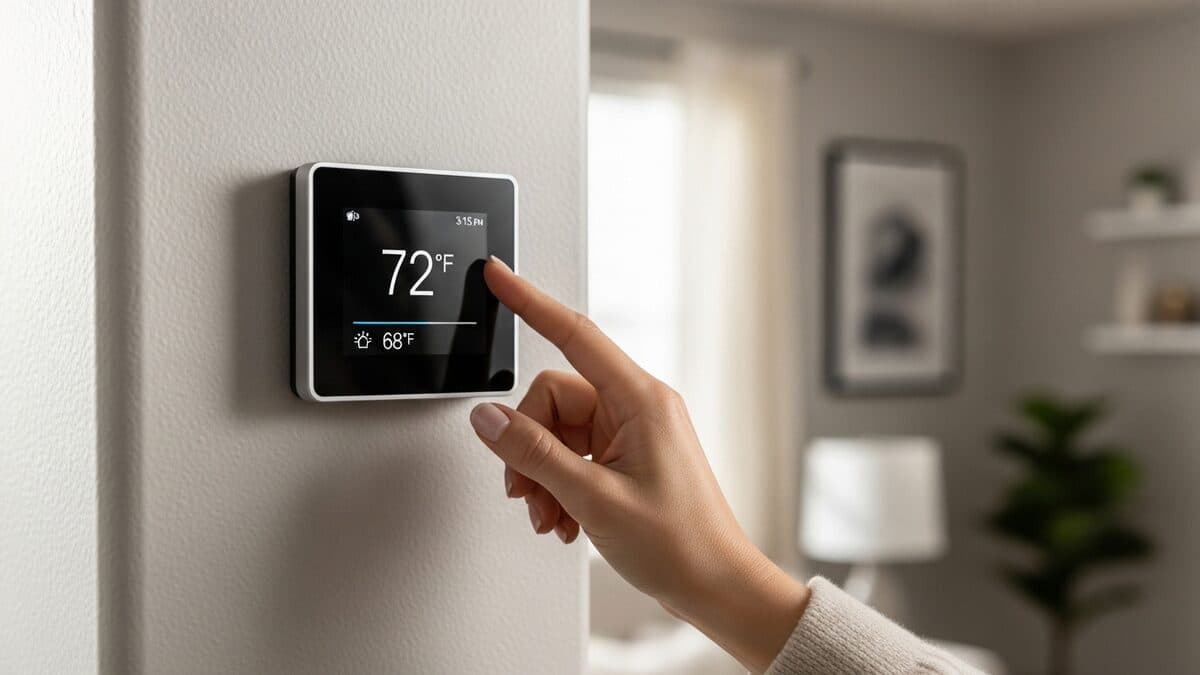
Most modern thermostats are designed with a "temperature differential" or "swing." This means your thermostat doesn't activate your HVAC system the instant the temperature varies by a single degree from your set point. For example, if you set your thermostat to 70°F, it might be programmed to allow the indoor temperature to drop to 69°F before initiating a heating cycle, and then run until it reaches 71°F before shutting off.
In Sacramento's mild spring, indoor temperatures can hover around this differential range. A slight drop from an open window, a temporary shadow over your Carmichael home, or even just the natural cooling overnight, can cause the temperature to briefly touch the lower end of this differential, prompting a quick furnace cycle to bring it back up to the midpoint before the thermostat registers that heat is no longer needed.
Thermostat Auto-Changeover Setting
If your thermostat is set to "Auto" mode for both heating and cooling, it's constantly monitoring your home's temperature to decide whether to heat or cool. During spring, when mornings can be cool and afternoons warm, the thermostat might briefly engage the heating if the indoor temperature momentarily drops below the heat setpoint (e.g., if you have the heat set to 68°F and it dips to 67°F). This is especially common in homes in Roseville or Rancho Cordova where morning shade might lead to a slight chill before the midday sun warms things up.
Smart Thermostat "Pre-heating" or Learning
Smart thermostats, which are increasingly popular in areas like Elk Grove and Folsom, are designed to learn your habits, optimize energy use, and even anticipate temperature changes based on local weather data. Sometimes, these advanced algorithms might initiate a short furnace cycle to "pre-heat" or maintain a very stable temperature, even if the house doesn't feel overtly cold. They are essentially trying to be proactive to prevent the temperature from drifting too far from your preferred setting.
Fan Operation and Air Circulation
Your HVAC system's fan sometimes operates independently for air circulation, even without the heating or cooling engaged. In certain system configurations, or if a sensor detects a minor temperature fluctuation that warrants a brief assist, the furnace might briefly engage its heating element while the fan is running to achieve optimal indoor air quality or temperature consistency.
Humidity Control
While less common, some advanced multi-stage HVAC systems have features that use heat to help control indoor humidity. On a damp Sacramento spring morning, your system might briefly engage the furnace to reduce the indoor humidity, as warmer air can hold more moisture, making your home feel more comfortable even if it's not strictly a heating need.
When "Phantom Cycling" Might Be a Problem
While many instances of phantom cycling are normal, there are specific signs that indicate these brief furnace activations could be symptoms of a larger problem. If you observe your furnace doing any of the following, it’s time to be concerned:
- Frequent Short Cycling (Beyond Normal Differential): If your furnace is turning on and off every few minutes, running for very short bursts (e.g., less than 5-10 minutes) and not effectively warming your home, this is a distinct issue from normal "phantom cycling." This could indicate:
- Dirty Air Filter: A clogged filter restricts airflow, causing the furnace to overheat and shut off prematurely.
- Flame Sensor or Ignitor Issues: These components are crucial for safe operation. A dirty or failing flame sensor can prevent the furnace from recognizing a successful ignition, leading to multiple attempts to start.
- Thermostat Malfunction: The thermostat itself might be faulty, miscalibrated, or experiencing wiring issues, sending incorrect signals to the furnace.
- Oversized Furnace: A furnace that is too powerful for your home will heat the space too quickly, satisfy the thermostat, shut off, only for the temperature to drop and restart the cycle shortly after. This can be a concern in some Citrus Heights or Folsom homes where initial HVAC sizing might have been inaccurate.
- No Heat Output (or Weak Heat): The furnace cycles on, but only the fan runs, or the air coming out is barely warm. This points to a problem with the heating elements, gas supply, or ignition system.
- Unusual Noises or Smells: Any grinding, banging, whistling, scraping, or strong gas/burning odors accompanying the brief cycle are major red flags that require immediate attention.
- Thermostat Display Issues: If your thermostat screen is blank, flickering, displaying error codes, or unresponsive, it might not be communicating correctly with your furnace.
- Unexpectedly High Utility Bills: If these brief cycles become frequent and contribute to a noticeable increase in your energy statement, your system is likely operating inefficiently and wasting energy.
When to Call PULSE HVAC
If you've observed your furnace's "phantom cycling" and it exhibits any of the problematic signs mentioned above, it's time to call in the professionals. Don't wait for a small issue to become a major repair, especially as we transition into warmer weather and AC becomes paramount. Whether you're in Sacramento, Carmichael, Roseville, or anywhere in the surrounding areas, our certified technicians are equipped to diagnose and resolve your furnace concerns.
We can check your thermostat's calibration, inspect your flame sensor, ensure proper airflow, and address any underlying issues that could be causing inefficient or abnormal operation. Proactive maintenance now can prevent inconvenient breakdowns later and ensure your system is ready for the heat of summer.
Observing your home's HVAC system, especially during the mild and transitional Sacramento spring, is a smart way to stay ahead of potential issues. While a few brief, seemingly unprompted furnace cycles are often normal operation, especially with today's sophisticated thermostats, knowing the signs of trouble is key. If you're concerned about your furnace's behavior, experiencing any of the problematic symptoms, or simply want peace of mind, don't hesitate to reach out to the trusted local experts at PULSE HVAC. Our team is ready to provide reliable diagnostics and solutions to homeowners across Sacramento, Elk Grove, Folsom, and beyond. Schedule your service today by calling us at (916) 850-2221 or book online at /book.
Sources
Need HVAC help in Sacramento?
Same-day service · Free estimates · Licensed & insured