
Reviewed by Paul R., CEO & Installer
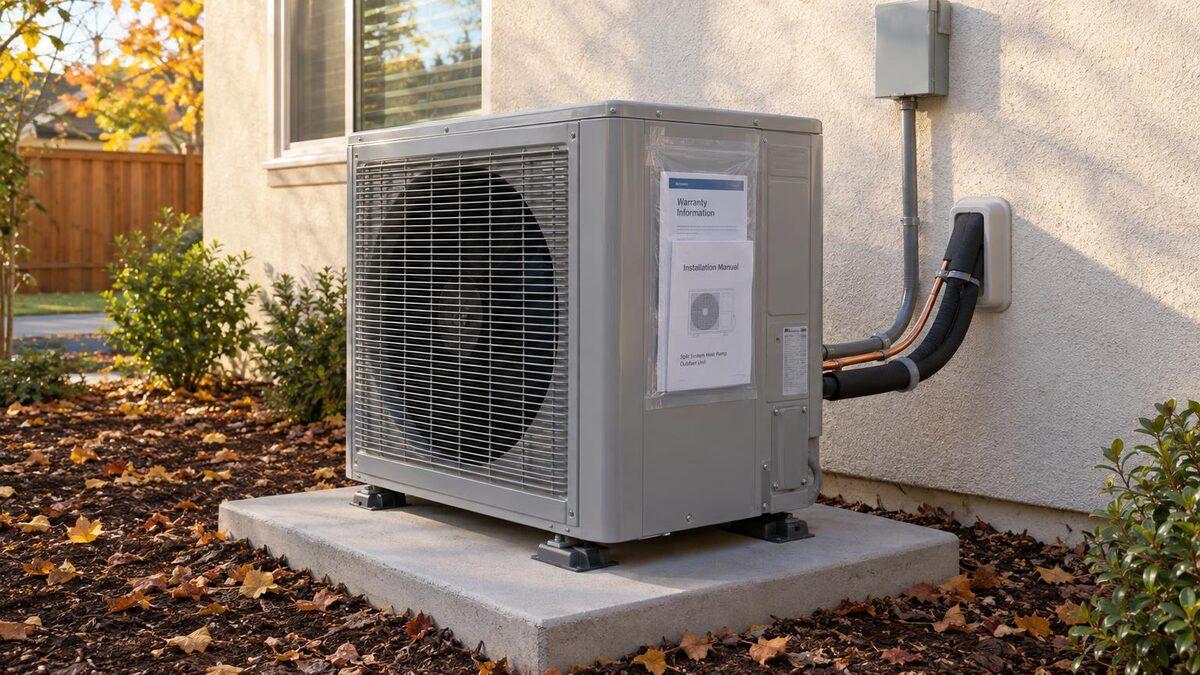
An HVAC replacement warranty is two promises from two different companies. The manufacturer covers parts that fail from a defect, and the contractor who installs the system covers the labor to fix their work. Most of the confusion, and most of the surprise bills, come from treating those as one thing.
The contract is where both promises should live. The Contractors State License Board requires a written contract for home improvement work over $500, and it caps the down payment at $1,000 or 10 percent of the contract price, whichever is less. A replacement quote in the Sacramento area clears both of those easily, so you have every right to see the warranty terms in writing before anything gets signed.
What the Manufacturer's Parts Warranty Covers
The manufacturer's warranty covers a replacement part when one fails from a defect in materials or workmanship. That includes the compressor, coils, fan motors, control boards and the other components inside the equipment. It is called a limited warranty because it has limits: it pays for the part, not for anyone's time to install it.
Many major brands offer a longer parts warranty, often 10 years, when the equipment is registered within a set window after installation, and a shorter one when it is not. Those terms differ by brand and by state, so read the warranty sheet for your exact equipment instead of trusting a sales summary.
What the Installer's Labor Warranty Covers
The installer's labor warranty covers the technician's time, and often the refrigerant and supplies, to diagnose and repair a problem. Its length varies widely from company to company. It is also the coverage people forget to ask about.
Here is how it usually looks on a typical warranty call. A heat pump installed seven years ago stops heating on a cold December morning, and the technician finds a failed compressor. The parts warranty is still good because the owner registered the system. The labor coverage ended years ago. So the compressor itself costs nothing, but recovering the refrigerant, swapping the compressor, pulling a vacuum and recharging the system is billed as a normal repair. That labor is the expensive part of the job.
When you compare quotes, ask three things about labor: how many years it lasts, whether refrigerant is included, and whether it covers only the installer's own workmanship or any failure. A short labor term is not automatically a bad deal, but it should be on paper, not promised over the phone.
Register the Equipment the Same Week
Register the equipment the week it goes in, even where your brand does not strictly require it. Each brand sets its own rules, and some waive the registration requirement for California homes while others do not. Registering costs nothing, removes the question entirely and creates a dated record tied to your serial numbers.
Our position is simple: do not leave it to memory. Ask your installer to register the equipment and email you the confirmation. If you register it yourself, you will need the model and serial numbers from the indoor and outdoor units and the installation date. Save the confirmation with your contract.
A permitted installation helps here too. California's Building Energy Efficiency Standards, known as Title 24, apply to many system replacements, and a closed permit with the required verification leaves an official record of when and how the equipment went in. That record is useful if a claim is ever questioned.
What Can Void an HVAC Warranty
An HVAC warranty is most often lost through missed paperwork or obvious neglect, not through anything dramatic. The common problems:
- Skipping registration where the brand requires it, which drops the system to the shorter base coverage
- Installation by an unlicensed contractor
- Damage from neglect, such as a coil packed with debris or a filter that was never changed
- Parts added that the manufacturer did not approve
The fix for most of these is a folder. Keep the contract, the registration confirmation, the permit and your maintenance receipts together. A yearly tune-up receipt answers the neglect question before anyone asks it.
Is an Extended Warranty Worth It?
An extended warranty is worth considering when repairs on your system would be expensive, and easy to skip when they would not. It adds labor coverage for years after the installer's own coverage ends, which is exactly the gap in the compressor example above.
We lean toward it on heat pumps, variable-speed equipment and systems with complex controls, where a single repair can cost a lot in labor. On a simple single-stage gas furnace, the math is weaker. Either way, treat it as optional insurance, not part of the replacement. Compare its price to the repairs it covers, read the exclusions, and find out who handles the claims.
An extended manufacturer warranty is also a different product from a home warranty plan. A home warranty covers many appliances, sets its own limits and sends its own contractor. Read those terms closely before counting on one for a new system.
When to Call PULSE HVAC
Call us when you are comparing replacement quotes and want the warranty terms explained in plain language, or when you need help finding your model and serial numbers to confirm a registration. Bring the paperwork you have and we will walk through what is covered.
PULSE HVAC replaces furnaces, air conditioners and heat pumps across the Sacramento area and hands over the warranty documentation at the end of every installation. Call (916) 850-2221 or book a visit online.
Sources
Need HVAC help in Sacramento?
Same-day service · Free estimates · Licensed & insured